
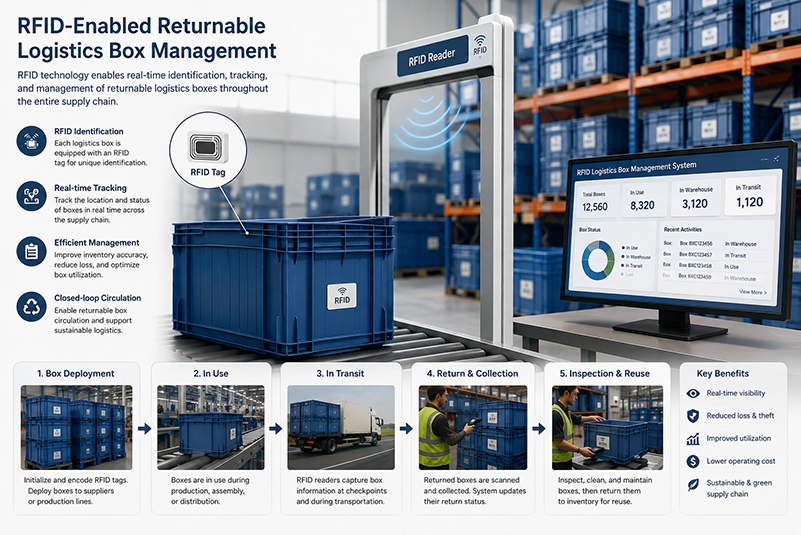
RFID returnable container tags help businesses track reusable packaging, pallets, totes, crates and returnable transport items across supply chains.
Read More>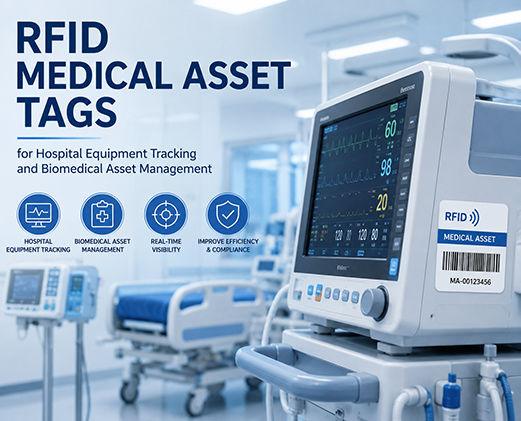
RFID medical asset tags help hospitals track equipment, reduce asset loss, improve maintenance records and manage biomedical devices more efficiently.
Read More>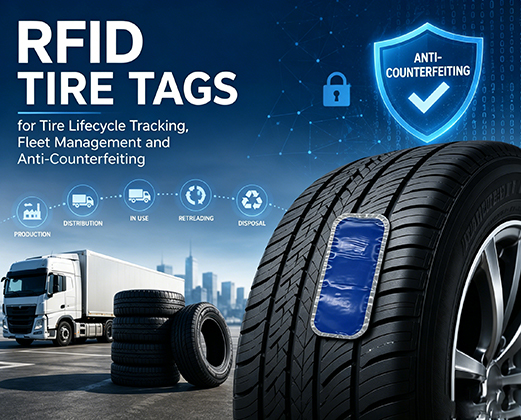
RFID tire tags help manufacturers, fleets, retreaders and distributors track tires across production, logistics, maintenance, retreading and lifecycle management.
Read More>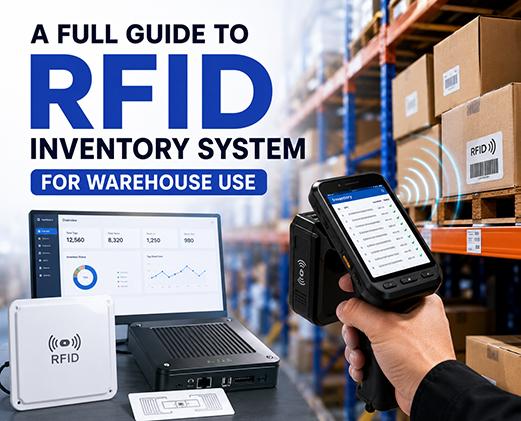
Discover the ultimate RFID inventory system guide to streamline warehouse tracking, boost accuracy and automate stock management.
Read More>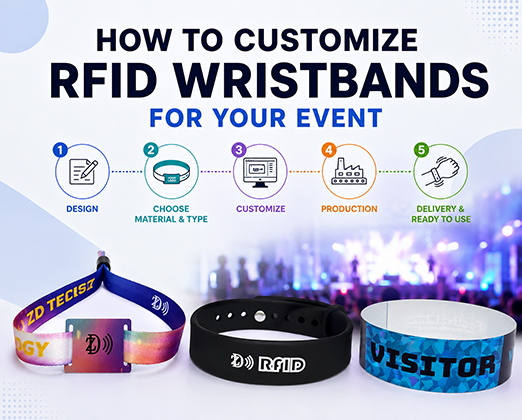
Master custom event RFID wristbands! Follow key steps for material, chip, design & testing to get perfect branded wristbands.
Read More>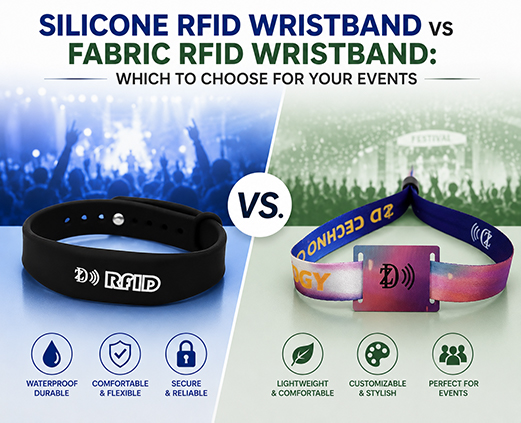
Choosing between silicone and fabric RFID wristbands? Compare performance, costs, and use cases to find the perfect fit for your event.
Read More>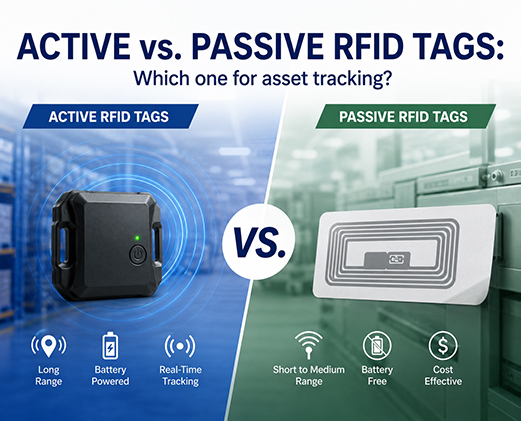
Confused by RFID options? Discover the key differences between active and passive tags to choose the perfect tracking solution for your business.
Read More>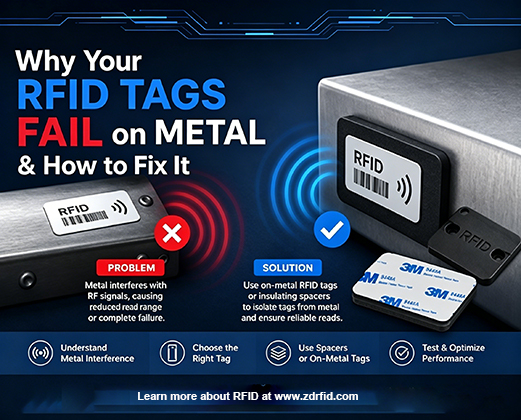
Metal surfaces detune RFID antennas and block signals. Discover the physics behind RFID metal interference and find the right PCB, ABS, and flexible on-metal tags to fix it.
Read More>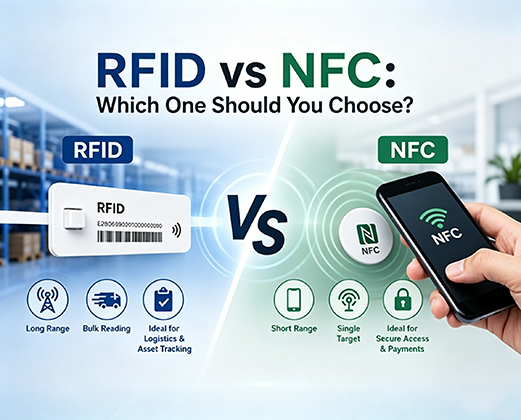
Struggling to choose between RFID and NFC? Discover the core differences in range, cost, and compatibility to pick the perfect tech for your project.
Read More>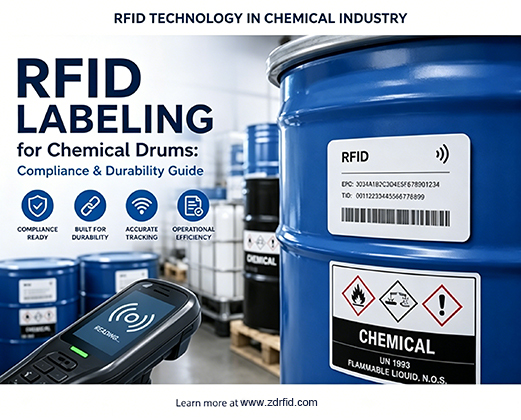
Deploying RFID on chemical drums requires strict GHS/OSHA compliance and industrial durability. Discover how to choose chemical-resistant RFID labels for steel and plastic drums.
Read More>Do you need a professional team to provide you with solutions? Contact us for a quote
Let us discuss it with you.


 Tel: +86-755-23080267
 Email: sales1@zd-technology.com
Add: A316,building A, Huayuan Technology And Innovation Park, Baoyuan Road
Copyright © 2024 Shenzhen ZD Technology Co., Ltd., All rights reserved.
Designed by 


 Home
Home