
Choosing an RFID ticket is a procurement decision that can affect how credentials are issued, verified, and used throughout an event.
Instead of selecting a ticket based only on appearance or unit price, buyers need to consider whether the credential fits the intended application and existing system.
Defining the requirements before production provides a clearer basis for selecting the appropriate ticket format and RFID technology.
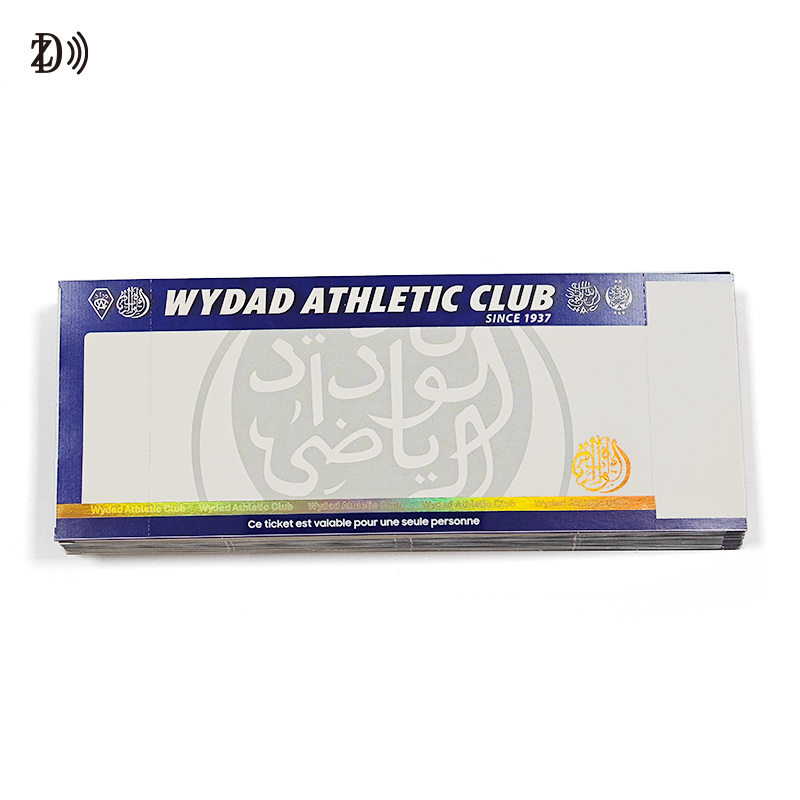
RFID tickets are suitable for events that require electronic ticket verification, controlled entry, repeated access, or contactless payment. They can be used for concerts, festivals, sports events, exhibitions, scenic attractions, and similar applications.
For smaller events with simple single entry requirements, conventional paper or barcode credentials may still be sufficient. The choice should depend on the event workflow and required level of electronic identification.
An RFID ticket can support more than admission verification. Depending on the chip and system configuration, it can also support contactless payment and usage data collection.
This allows event organizers to connect ticket identification with admission records and consumption activity. RFID tickets can therefore support both access management and event operation requirements.
A printed RFID ticket combines event information with an embedded RFID chip. It is suitable when attendees need a physical credential that can display printed information while supporting electronic verification.
Paper RFID tickets are practical for short term admission, exhibitions, and other applications where the credential has limited exposure to prolonged handling or moisture.
For event specific ticket requirements, RFID ticket products can be evaluated according to frequency, chip type, material, printing, and intended use.
Wearable credentials are suitable when attendees need to keep their identification with them throughout an event.
RFID wristbands are available in silicone, fabric, Tyvek, elastic, and vinyl formats. They can support customized encoding, printing, and colors for event management, access control, and cashless payment applications.
The wristband format can also reduce the need for attendees to carry a separate physical ticket throughout the event.
HF and NFC credentials operate at 13.56 MHz and are suitable for close range identification where attendees intentionally present or tap the credential.
RFID ticket products can use 13.56 MHz technology with ISO 14443A compatibility. MIFARE Ultralight® C and MIFARE Ultralight® EV1 options can also be used for suitable RFID ticket applications.
This configuration is appropriate when credentials are intentionally presented to an RFID/NFC Reader at an entrance or service point.
UHF operates in the 860 to 960 MHz range and is designed for applications requiring longer range identification.
UHF products can support ISO/IEC 18000 6C and EPC Gen2 protocols. Actual reading performance depends on the Reader, antenna, credential design, and installation environment.
UHF should therefore be selected based on the required reading distance and the capabilities of the Existing Reader System.
The chip should match the required frequency, security level, memory requirements, and Existing Reader System.
For standard ticket identification, a suitable RFID chip can provide credential recognition and ticket verification. Applications with higher security requirements may require a chip with stronger authentication and data protection capabilities.
MIFARE DESFire® products can be considered for applications requiring enhanced security functions, while MIFARE Ultralight® products can support suitable ticketing applications.
The encoding method should be defined before production. Depending on the system, the credential may use a unique identifier, pre encoded ticket information, or database linked identification.
The encoding structure must match the ticketing system. A physically suitable ticket can still create operational problems if its chip configuration is incompatible with the Reader or software.
Different Readers support different frequencies, protocols, reading methods, and installation configurations.
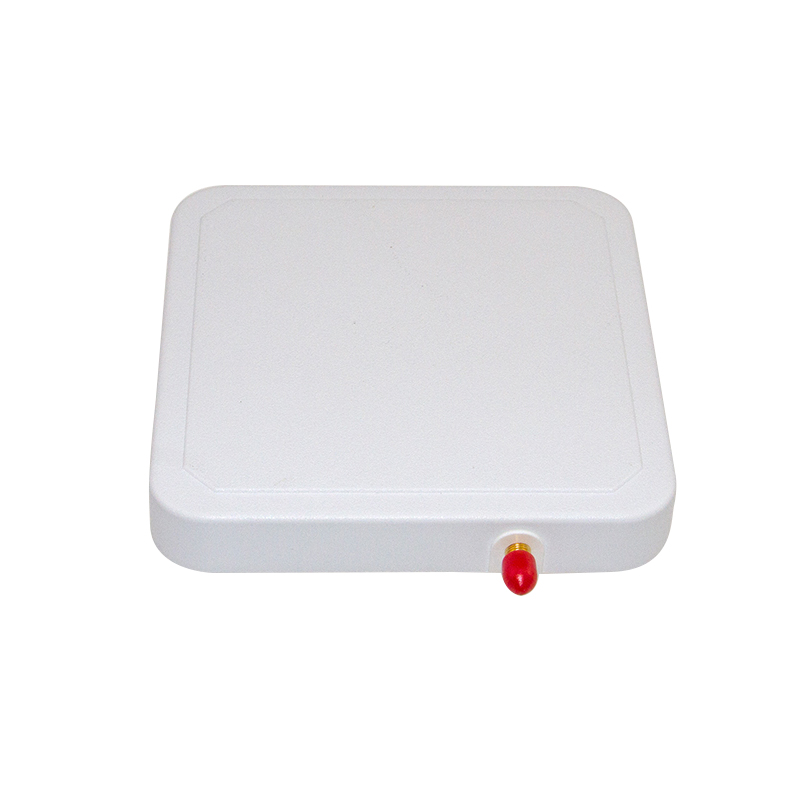
The RFID hardware range includes Handheld Readers, Desktop Readers, Integrated Readers, Fixed Readers, RFID Gateways, and Antennas. Buyers can review the available RFID Reader hardware alongside the selected credential when planning an event access system.
For an existing installation, buyers should confirm compatibility between the selected ticket and the current RFID/NFC Reader or Existing Reader System before placing a bulk order. Testing samples with the actual Reader can also help identify compatibility or reading issues before full deployment.
Material selection should follow the actual event conditions. Paper RFID tickets can be suitable for short term applications, exhibitions, and controlled environments with limited exposure to moisture or heavy handling.
For longer events or continuous use, wearable RFID wristbands made from materials such as silicone or fabric may provide better durability. Outdoor applications may also require greater resistance to moisture, bending, and repeated handling.
The entry model should determine whether a printed RFID ticket, wristband, card, or other credential format is appropriate.
A simple single entry event has different requirements from a multi day event involving repeated access or cashless payment.
RFID ticket pricing can vary according to the selected chip, frequency, material, printing, encoding requirements, memory capacity, and order quantity.
Customized printing or encoding can also affect production requirements, particularly when tickets need variable information or specific chip configurations.
A suitable supplier should offer appropriate RFID ticket formats, chip options, materials, printing methods, and encoding capabilities.
The supplier should also be able to discuss system compatibility and customization requirements before production. This is particularly important for projects involving large quantities or multiple event locations.
RFID ticket pricing depends on chip type, frequency, material, printing, encoding requirements, memory capacity, and order quantity. Defining the required specifications before requesting quotations makes supplier comparison more accurate.
The appropriate material depends on the event environment and how the credential will be used. Paper can work for short term applications, while wearable RFID wristbands may be more suitable for longer events involving continuous use.
HF and NFC at 13.56 MHz are suitable for close range credential presentation. UHF at 860 to 960 MHz is intended for longer range identification. The final selection should be based on the Reader system and required reading method.
Choosing an RFID ticket requires a suitable match between the event workflow, credential format, RFID technology, material, and Reader system. For customized event RFID tickets, Contact Us to discuss your requirements.
Do you need a professional team to provide you with solutions? Contact us for a quote
Let us discuss it with you.


 Tel: +86-755-23080267
 Email: sales1@zd-technology.com

Add: A316,building A, Huayuan Technology And Innovation Park, Baoyuan Road
Copyright © 2024 Shenzhen ZD Technology Co., Ltd., All rights reserved.
Designed by 

