
RFID keyfobs provide a compact way to identify users in environments where controlled entry is required. Their small form factor makes them easy to carry, while embedded RFID technology allows them to communicate with compatible Readers without physical contact.
For a smart building access control project, the keyfob works as part of a larger identification system. Its RFID technology, chip configuration, Reader, and access control platform need to be compatible so that credentials can be recognized and processed correctly.
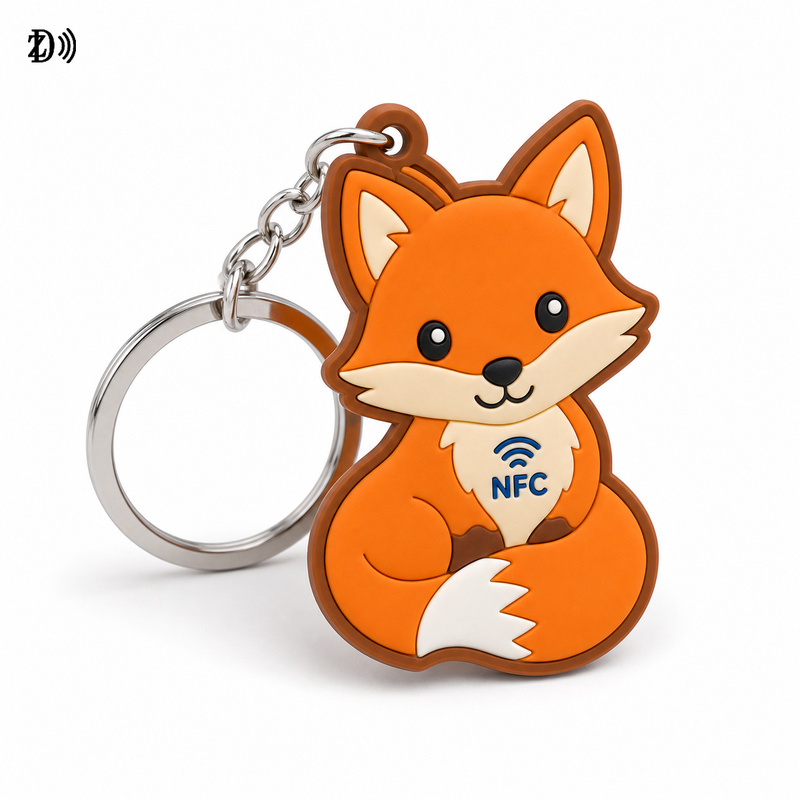
An RFID keyfob contains an RFID chip and antenna enclosed within a compact housing. When the keyfob is presented near a compatible Reader, the Reader generates a radio frequency field that enables communication with the RFID chip.
Passive RFID keyfobs do not require an internal battery. The Reader provides the energy required for communication, allowing the chip to transmit its credential information. The communication method depends on the frequency and chip technology used.
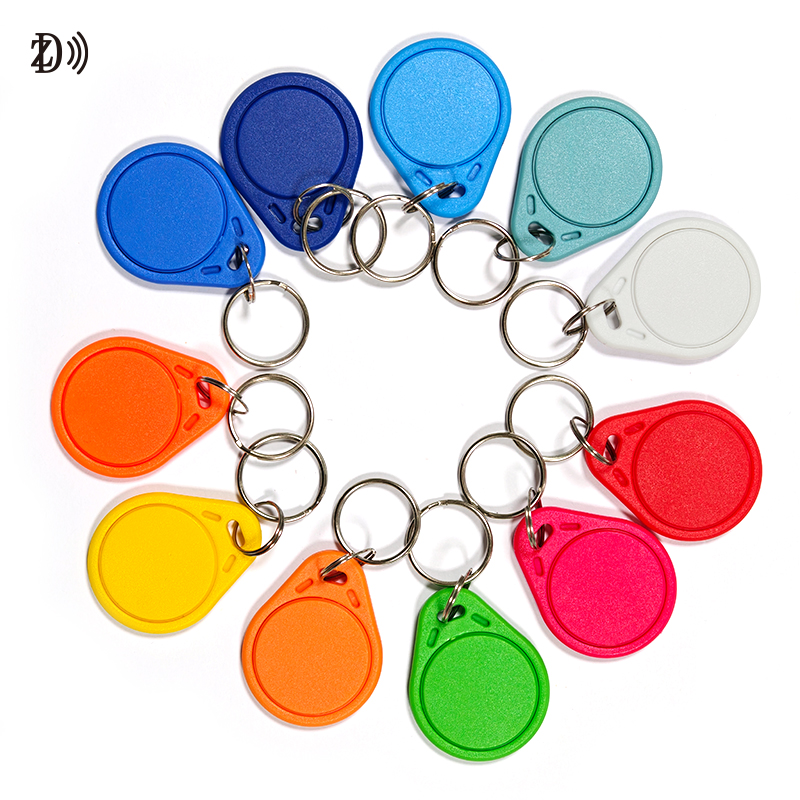
ZDRFID offers a range of RFID keyfobs, including ABS Keyfobs, Epoxy Keychains, Leather Keyfobs, and other designs. Different chip types, colors, shapes, and logo printing options can be selected according to project requirements.
Once the Reader captures the credential information, the access control system processes it according to the configured authorization rules. A valid credential can be used to authorize a connected door lock, turnstile, or other controlled entry device.
The keyfob itself does not determine whether access should be granted. It provides the identification information required by the access control system, while authorization is handled by the connected system.
The Reader must support the frequency and chip technology used by the RFID keyfob. For example, a keyfob designed for 125 kHz LF applications should be paired with a compatible LF Reader, while 13.56 MHz HF keyfobs require a compatible HF Reader and chip technology.
ZDRFID provides different types of RFID Readers, including handheld, desktop, integrated, and fixed Readers, as well as RFID gateways and antennas. Reader selection should therefore be considered together with the credential technology and the existing access control infrastructure.
Before deployment, the credential information needs to be registered or configured within the access control system. The exact enrollment process depends on the selected chip, Reader, and access management platform.
For a customized project, the Reader model, supported chip technology, frequency, protocol, and encoding requirements should be confirmed before production. Testing sample keyfobs with the actual system can help verify compatibility before the credentials are produced in larger quantities.
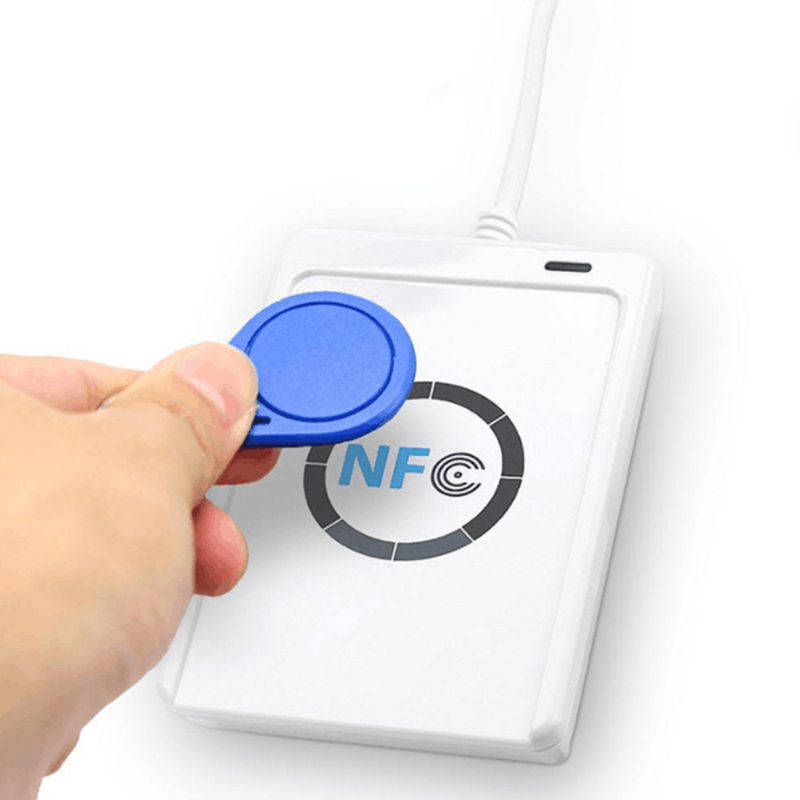
RFID keyfobs allow users to present credentials to a compatible Reader without inserting a card or using a mechanical key. This contactless method can simplify credential presentation at frequently used access points.
Their compact format also makes them easy to carry on a key ring or hanging chain. This can be useful for employees, residents, students, and other users who need regular access to controlled areas.
The keyfob can serve as one credential within a broader smart building access control system. Its role is not limited to identifying the user, as the credential can work together with Readers, authorization management, door locks, turnstiles, and other connected equipment.
ZDRFID's RFID access control solution covers applications involving smart door locks, security turnstiles, and automated check in systems. This allows RFID credentials to form part of a broader access management infrastructure.
Frequency should be one of the first factors considered when selecting an RFID keyfob. 125 kHz LF technology is commonly used in proximity identification and access control installations, while 13.56 MHz HF technology supports a wider range of RFID and NFC related applications.
For 13.56 MHz applications, different chip technologies provide different memory capacities and functions. The appropriate chip should be selected according to the Existing Reader System and credential requirements rather than simply choosing a chip with greater memory.
| Selection Factor | What to Check | Why It Matters |
|---|---|---|
| Frequency | 125 kHz LF or 13.56 MHz HF | Must match the Reader |
| Chip Technology | Supported chip family and protocol | Determines compatibility |
| Memory and Function | Required capacity and functions | Should fit the application |
| Existing System | Reader model and access platform | Confirms deployment compatibility |
The housing protects the RFID chip and antenna during regular use, so the physical format should suit the intended environment and carrying method. ZDRFID offers ABS, epoxy, leather, and other keyfob formats for different application requirements.
The keyfob can also be customized through chip selection, logo printing, colors, shapes, housing materials, and carrying configurations. For example, an ABS RFID Keyfob provides a compact housing with an integrated chip and coil antenna and can be attached to a key ring or hanging chain.
An RFID keyfob is a contactless identification credential. It can be used with compatible access control systems to identify users and authorize access to controlled areas.
Passive RFID keyfobs do not require an internal battery. A compatible Reader provides the energy required for the RFID chip to communicate.
Yes. Depending on the product and project requirements, RFID keyfobs can be customized in terms of chip type, logo, color, shape, housing material, and carrying configuration.
No. The keyfob and Reader must use compatible RFID technology. Frequency, chip type, protocol, and credential configuration should be checked before deployment.
RFID keyfobs provide a compact contactless credential for smart building access control. The key to successful deployment is matching the keyfob's RFID technology and physical design with the Reader and existing access control infrastructure.
For customized RFID keyfobs and access control requirements, contact the ZDRFID team to discuss your project.
Do you need a professional team to provide you with solutions? Contact us for a quote
Let us discuss it with you.


 Tel: +86-755-23080267
 Email: sales1@zd-technology.com

Add: A316,building A, Huayuan Technology And Innovation Park, Baoyuan Road
Copyright © 2024 Shenzhen ZD Technology Co., Ltd., All rights reserved.
Designed by 

