
Apparel products pass through multiple stages before reaching the customer, and each stage can create gaps in identification and tracking. RFID garment tagging provides a way to maintain a consistent product identity as garments move through production, storage, distribution, and retail.
The tagging method needs to fit the garment, application process, and operating environment. From factory integrated labels to retail security tags, different applications require different constructions and functions. This article explains how RFID garment tagging can support the apparel lifecycle from source tagging to retail anti theft protection.
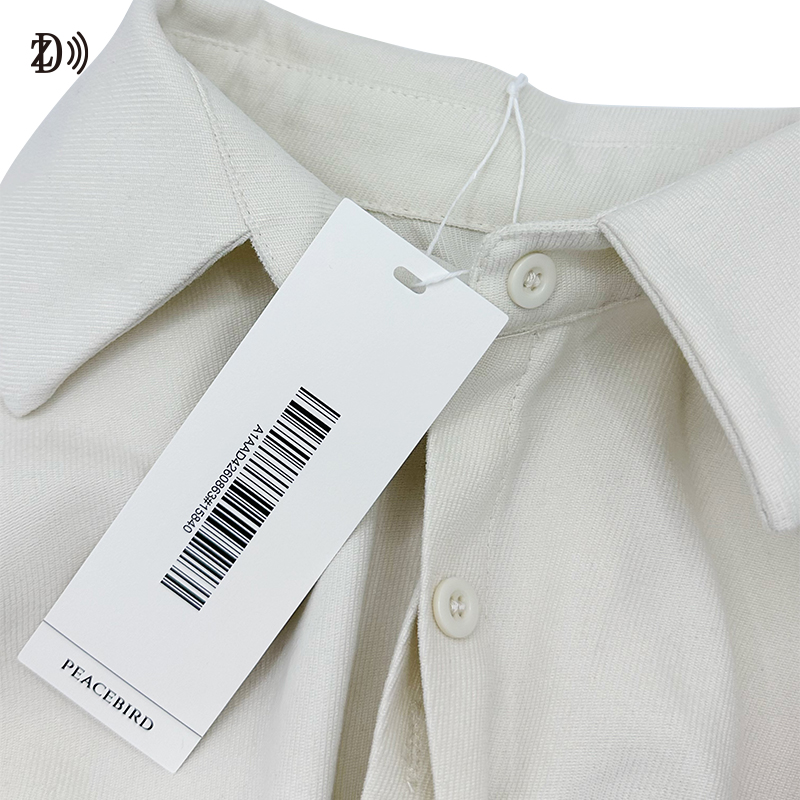
Traditional barcode based inventory processes often require staff to locate and scan individual garments. RFID Readers can identify multiple tagged items during an inventory process, allowing larger quantities to be checked more efficiently.
This can reduce manual counting work and provide more timely information about garment availability across warehouses and retail locations.
Each RFID tag can be associated with a unique garment identity. Once the tag is encoded and linked with the relevant product record, the item can be identified during production, storage, receiving, and retail inventory processes.
This provides a consistent identification method as garments move between different operational stages.
Production records, warehouse movements, receiving information, and retail inventory data can be associated with the same garment identity. This creates greater visibility as products move through the supply chain.
Different RFID garment tags can be selected according to where identification is required and how the garment will be handled throughout its lifecycle.
An RFID clothing care label combines conventional garment information with an embedded RFID function. It can provide information such as washing instructions, materials, and size while supporting RFID based identification and tracking.
This format is suitable when RFID needs to be incorporated into the garment during production while maintaining the appearance and function of a conventional care label. The RFID clothing care label is therefore suitable for apparel applications where product information and RFID identification need to be integrated into the same label.
RFID clothing hanger tags integrate RFID functionality into garment hangers. They can support garment identification, tracking, and retail management in fashion stores, apparel manufacturing, and warehouse operations.
This approach is useful when RFID identification needs to work alongside garment display and handling processes.
Rental uniforms and textiles used in industrial laundry require tags designed for repeated handling and washing. Fabric UHF laundry tags and PPS RFID laundry tags provide options for applications where durability is important.
UHF garment tags can use different chip configurations depending on the application. Options available from ZDRFID include UCODE® 8 and UCODE® 9, as well as other UHF chip solutions.
The appropriate tag depends on washing conditions, garment construction, operating temperature, and required reading performance.
| Tag Type | Typical Application | Main Requirement | Key Benefit |
|---|---|---|---|
| RFID Clothing Care Label | Factory source tagging | Garment integration | Care information and RFID identification |
| RFID Clothing Hanger Tag | Retail and warehouse | Display and tracking | Garment identification during handling |
| Fabric UHF Laundry Tag | Rental and laundry | Washing durability | Textile tracking and inventory management |
| PPS RFID Laundry Tag | Industrial laundry | Temperature and washing resistance | Durable laundry tracking |
| EAS+UHF Tag | Retail anti theft | Dual frequency operation | Anti theft and inventory verification |
RFID can be incorporated during garment production instead of being added after products reach a warehouse or retail location.
The tagging point should be selected according to garment construction, production processes, appearance requirements, and the expected lifecycle of the product.
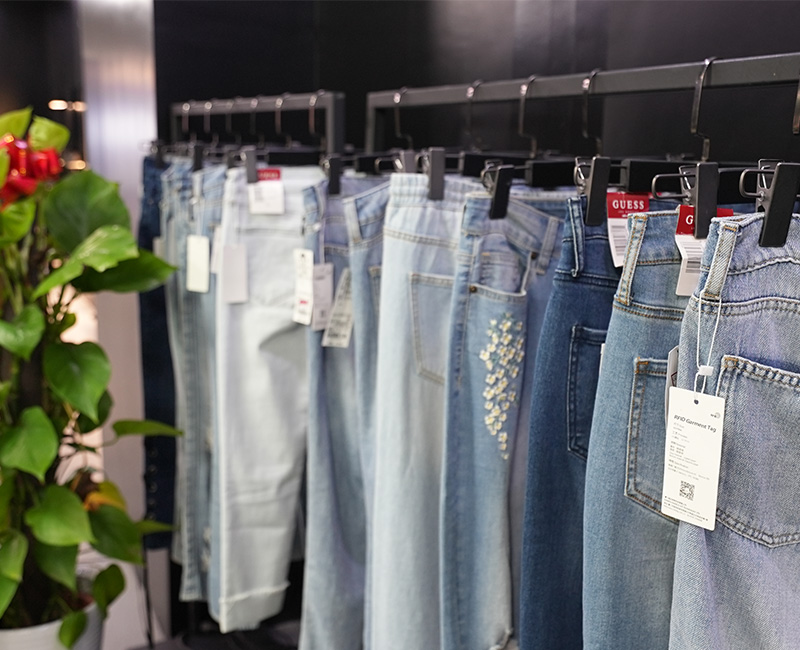
Consistent placement helps maintain predictable RFID Reader performance across production batches. The encoding structure should also match the requirements of the inventory or product management system.
A standardized tagging process can reduce differences between suppliers and production batches and simplify later inventory operations.
RFID tags should be tested using representative garments and actual operating conditions before a large scale rollout.
Testing can cover garment materials, folding, packaging, storage, Reader configuration, and other conditions that may affect reading performance.
These production activities can also be connected with broader garment management solutions, allowing RFID identification to support production, inventory, and retail processes within a wider management workflow.
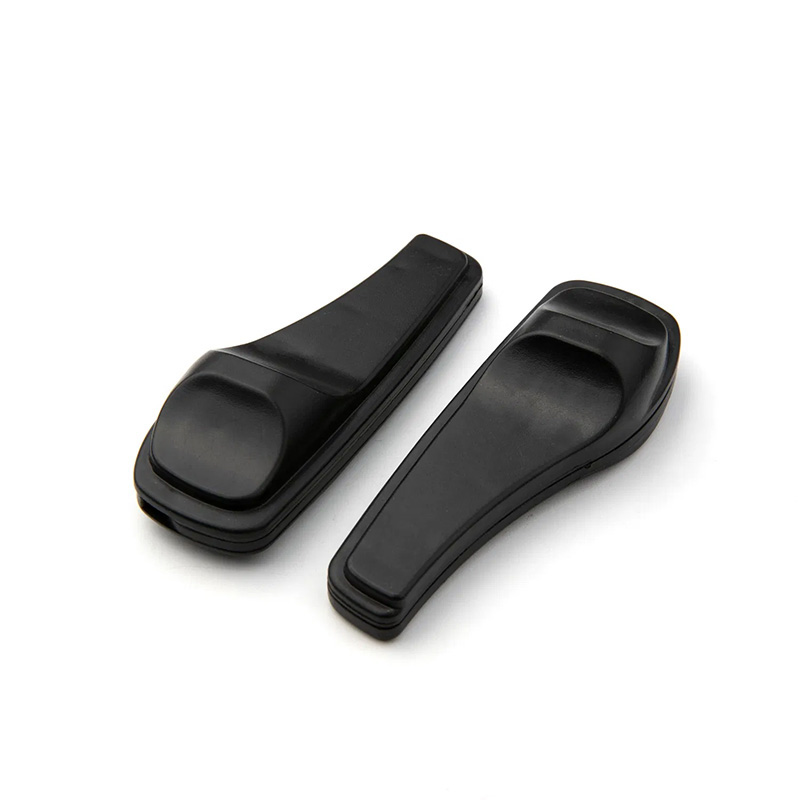
Retail security can require both product identification and anti theft detection. Dual frequency EAS+UHF tags combine these functions within one tag.
The EAS function supports anti theft detection, while the UHF RFID function supports inventory reading. The EAS+UHF clothes tag uses 58 kHz and 860 to 960 MHz dual frequency technology and is designed for clothing and leather goods.
The RFID function can be used to verify which garments are present in the store. Group reading can also make inventory checking more efficient than manually identifying individual products.
This allows retail teams to use RFID identification for inventory verification while the EAS function provides an additional layer of retail security.
RFID identification can support traceability as garments move through production, distribution, and retail. When tag data is connected with management software, businesses can use it to support product tracking and loss prevention workflows.
For applications where inventory identification and retail security need to work together, an EAS+UHF anti theft tag can provide both UHF RFID reading and EAS detection within the same tag.
RFID performance can vary according to garment materials, tag position, packaging, surrounding objects, and Reader configuration.
Testing should therefore use representative garments and the same conditions expected during normal production, storage, and retail operations.
Once the appropriate tag type has been selected, placement and encoding requirements should be clearly defined for production.
Consistent tagging helps maintain predictable reading performance across production batches and makes it easier to manage garments from different suppliers or production locations.
The tag is only one part of an RFID system. Frequency, chip configuration, RFID Reader, antenna, encoding method, and software need to work together.
Compatibility should be confirmed before production so that the selected garment RFID tag can work with the existing or planned RFID infrastructure.
Before expanding the program, map how garments move from production through storage, distribution, and retail. Identify where RFID identification is required and determine the most suitable tagging method for each stage.
A clear workflow also helps define how RFID data should be collected and used across different operational points.
RFID data becomes more useful when it can be associated with existing product and inventory records.
The integration process should define how tag IDs are linked with product information and how RFID events are transferred into the relevant management system. The appropriate integration method depends on the project requirements and existing system architecture.
RFID garment tag pricing depends on factors such as chip selection, tag construction, material, size, frequency, durability requirements, customization, and order volume. The application environment should be defined before comparing unit prices.
Washable RFID tags are designed for garments and textiles exposed to repeated washing and handling. Fabric UHF laundry tags and PPS RFID laundry tags are options for laundry and rental applications. The appropriate choice depends on washing conditions, temperature, tag placement, and required reading performance.
Testing should use the actual garment materials and application method planned for production. Retail applications should be tested during folding, hanging, packing, and inventory operations, while washable garments should be tested under their expected washing and drying conditions.
Some tags are designed for both functions. EAS+UHF dual frequency tags combine EAS anti theft detection with UHF RFID inventory reading, allowing one tag to support retail security and inventory verification.
Garment RFID tags can connect apparel identification across production, distribution, and retail while supporting inventory and loss prevention requirements.
For help selecting the right tagging solution for your apparel application, contact ZDRFID to discuss your requirements.
Do you need a professional team to provide you with solutions? Contact us for a quote
Let us discuss it with you.


 Tel: +86-755-23080267
 Email: sales1@zd-technology.com

Add: A316,building A, Huayuan Technology And Innovation Park, Baoyuan Road
Copyright © 2024 Shenzhen ZD Technology Co., Ltd., All rights reserved.
Designed by 

