In today’s event industry, speed, security, and data-driven operations are no longer optional—they are expected. Traditional paper tickets and cash payments are rapidly being replaced by RFID wristbands, enabling seamless access control, cashless transactions, and real-time data tracking.
For event organizers and hospitality operators, the key question is no longer “What is RFID?” but rather:
“Which RFID wristband solution is right for my event or venue?”
Choosing the right RFID wristband directly impacts guest experience, operational efficiency, and revenue performance. This guide focuses on practical decision-making—helping you select the right material, match it to your use case, and understand cost factors.
Different events require different materials. The right choice depends on event duration, environment, and user experience expectations.
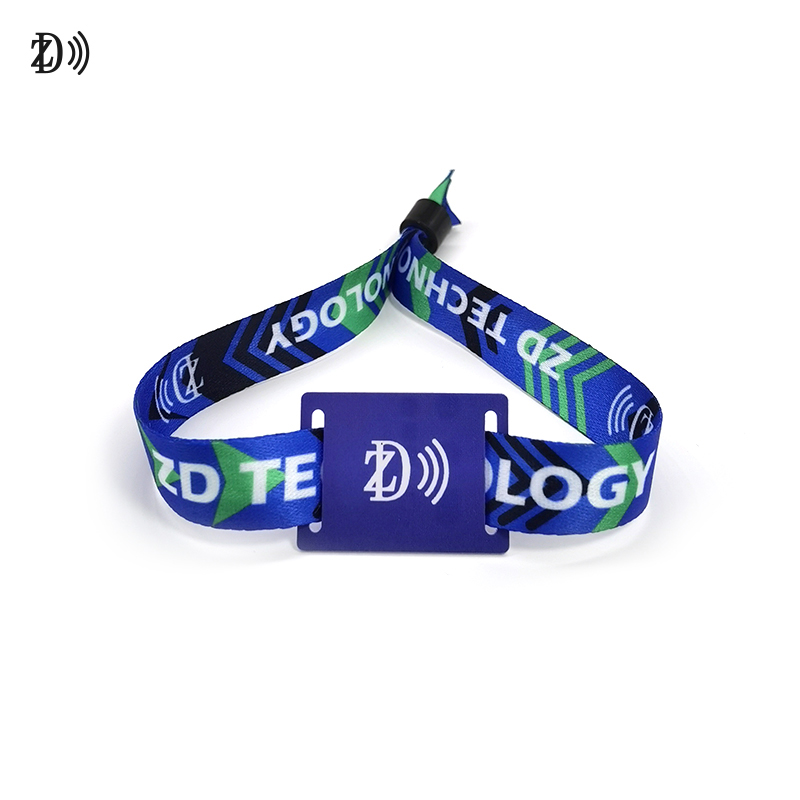
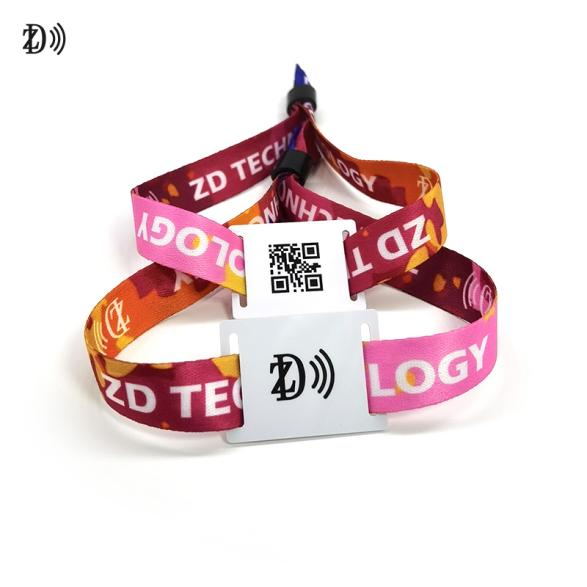
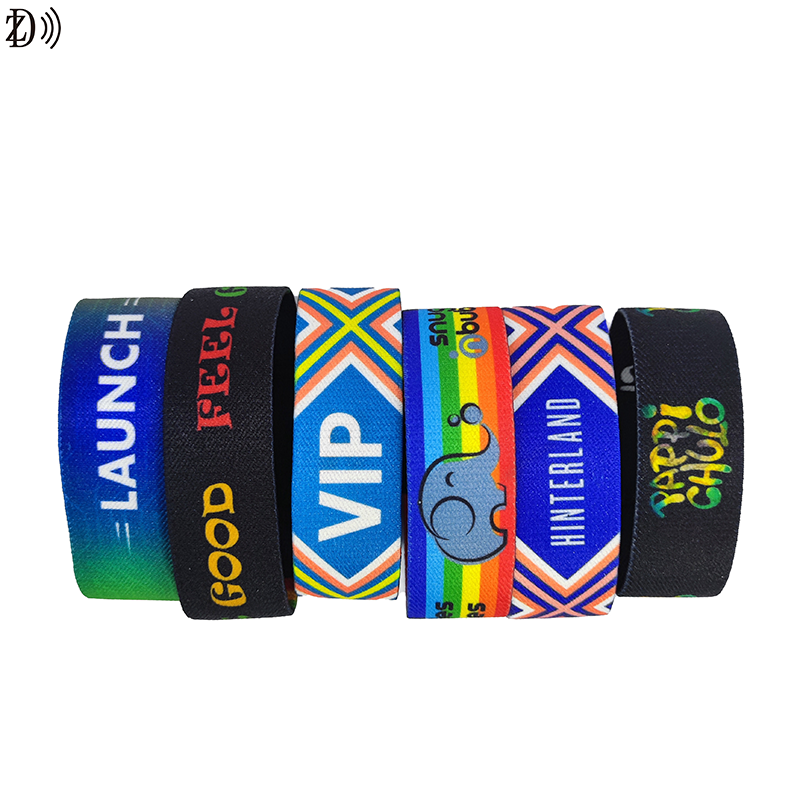
RFID fabric wristbands are the industry standard for music festivals, concerts, and large-scale events.
Key advantages:
· Comfortable for multi-day wear
· Breathable and skin-friendly
· High-security locking (non-transferable)
· Strong branding opportunities
Because they use one-way locking clasps, they prevent ticket sharing and unauthorized access—protecting your revenue.
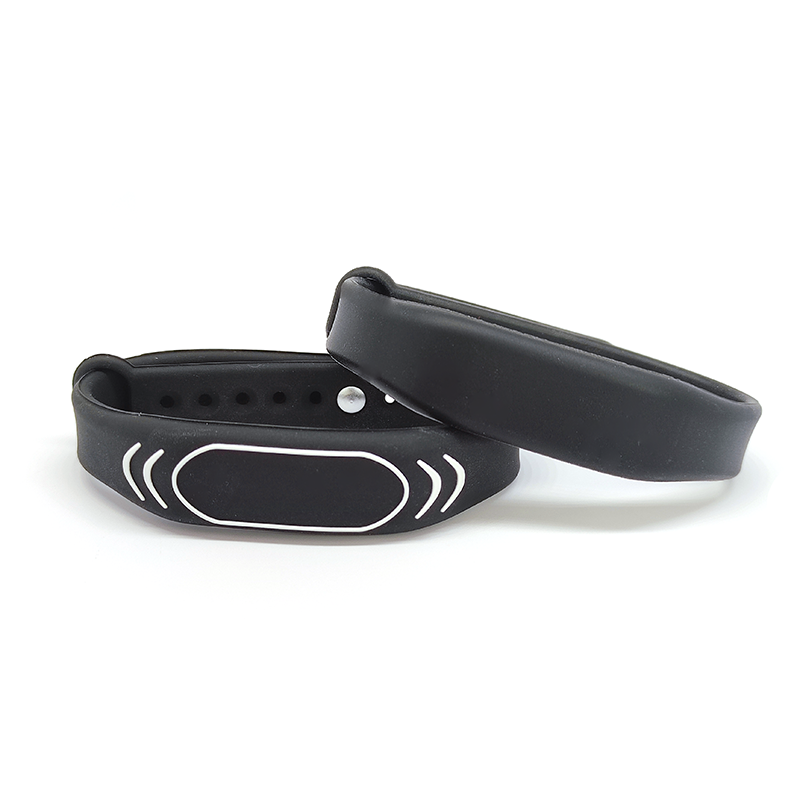
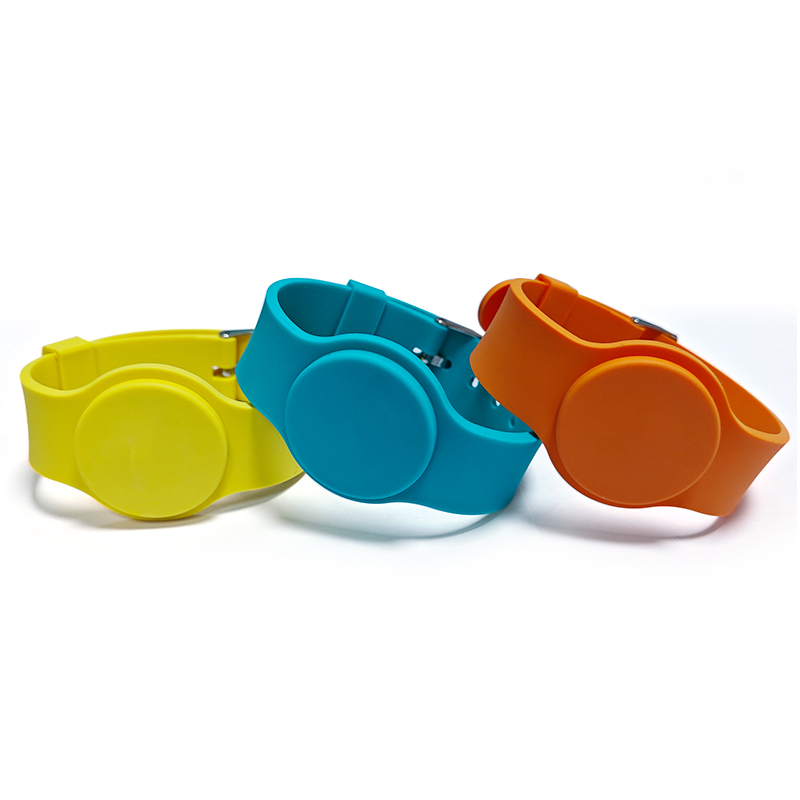
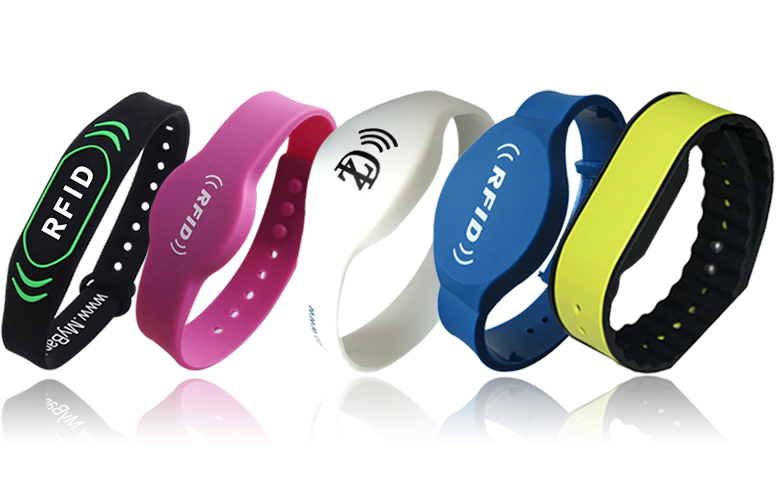
RFID silicone wristbands are ideal for hotels, resorts, water parks, and gyms.
Key advantages:
· 100% waterproof and durable
· Reusable and long lifespan
· Comfortable for daily wear
· Resistant to heat, water, and impact
They function as all-in-one credentials—room key, payment method, and access pass—creating a seamless guest experience.
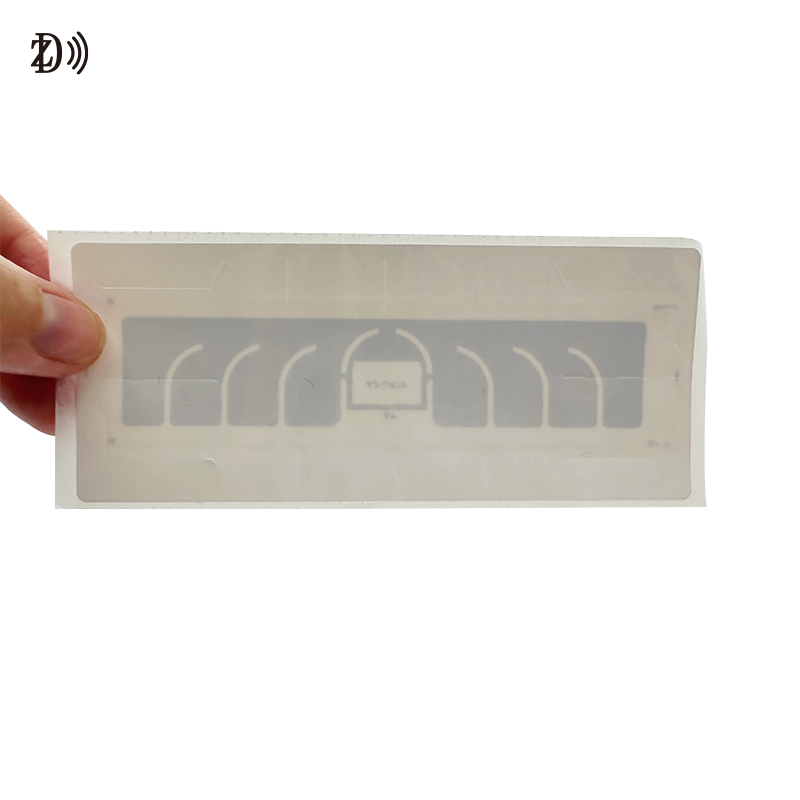
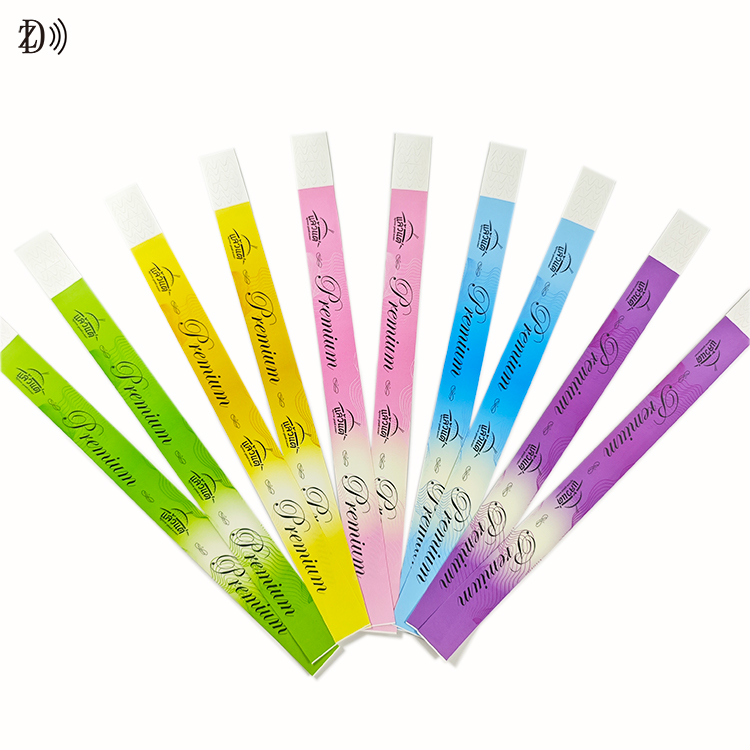
For one-day events, conferences, and high-volume entry scenarios, RFID paper wristbands offer a cost-effective solution.
Key advantages:
· Low cost for large quantities
· Fast deployment
· Tamper-evident security
· Supports basic access control and cashless systems
They are ideal when budget and speed are top priorities.
Choosing the right material is only the first step. The real value comes from aligning RFID wristbands with your operational goals.
In high-volume environments, efficiency is everything.
RFID enables:
· Fast entry with tap-and-go access
· Cashless payments at bars and vendors
· Reduced queue times
· Increased spending per attendee
By eliminating cash, organizers often see higher per-capita revenue and reduced fraud.
In hospitality, the focus is on convenience and guest experience.
RFID wristbands allow guests to:
· Unlock rooms
· Access facilities (pool, spa, gym)
· Charge purchases to their room
This creates a frictionless, wallet-free experience that improves satisfaction and increases on-site spending.
One of the most common questions is: “How much do RFID wristbands cost?”
Pricing depends on three main factors:
Higher quantities significantly reduce the cost per unit.
· Basic HF/NFC chips → lower cost
· Advanced/UHF chips → higher cost (long-range, advanced features)
· Standard designs → more affordable
· Fully customized (logos, encoding, security features) → premium pricing
Although RFID wristbands cost more than traditional tickets, they deliver measurable ROI:
· Reduced staffing requirements
· Faster entry and operations
· Elimination of cash handling risks
· Increased customer spending
· Real-time event data insights
For most organizers, RFID pays for itself through operational efficiency and higher revenue.
Customization turns RFID wristbands into both functional tools and marketing assets.
Options include:
· Full-color branding
· Logo weaving or embossing
· Unique QR codes for backup scanning
· Pre-encoded chips with user data
A well-designed wristband becomes:
A souvenir, a brand touchpoint, and a data carrier.
1. What’s the difference between RFID and NFC wristbands?
NFC is a type of RFID used for short-range communication (tap-to-pay, access control). For most events, they function the same. UHF RFID allows longer-range scanning.
2. Are RFID wristbands waterproof?
Yes. Silicone wristbands are fully waterproof, while fabric wristbands are water-resistant. All RFID chips are sealed and protected.
3. Can RFID wristbands be reused?
· Silicone wristbands → reusable
· Fabric wristbands → single-use (for security)
· Paper wristbands → single-use
4. How much do RFID wristbands cost per attendee?
Costs vary based on material, chip, and quantity. Paper wristbands are the most affordable, while custom fabric and silicone options cost more but deliver higher value.
5. Are there eco-friendly RFID options?
Yes. Options include recycled materials, bamboo fabric, and sustainable production programs to reduce environmental impact.
Whether you are managing a festival, hotel, or corporate event, selecting the right RFID wristband is key to delivering a secure, efficient, and high-value experience.
Contact us today to find the best RFID wristband solution tailored to your business needs.
Do you need a professional team to provide you with solutions? Contact us for a quote
Let us discuss it with you.


 Tel: +86-755-23080267
 Email: sales1@zd-technology.com
Add: A316,building A, Huayuan Technology And Innovation Park, Baoyuan Road
Copyright © 2024 Shenzhen ZD Technology Co., Ltd., All rights reserved.
Designed by