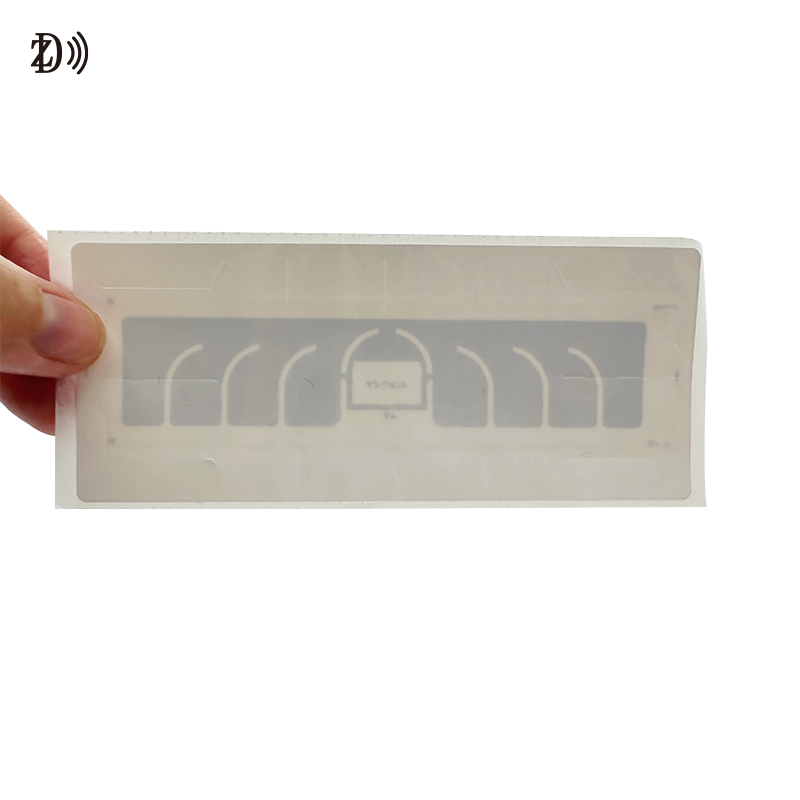
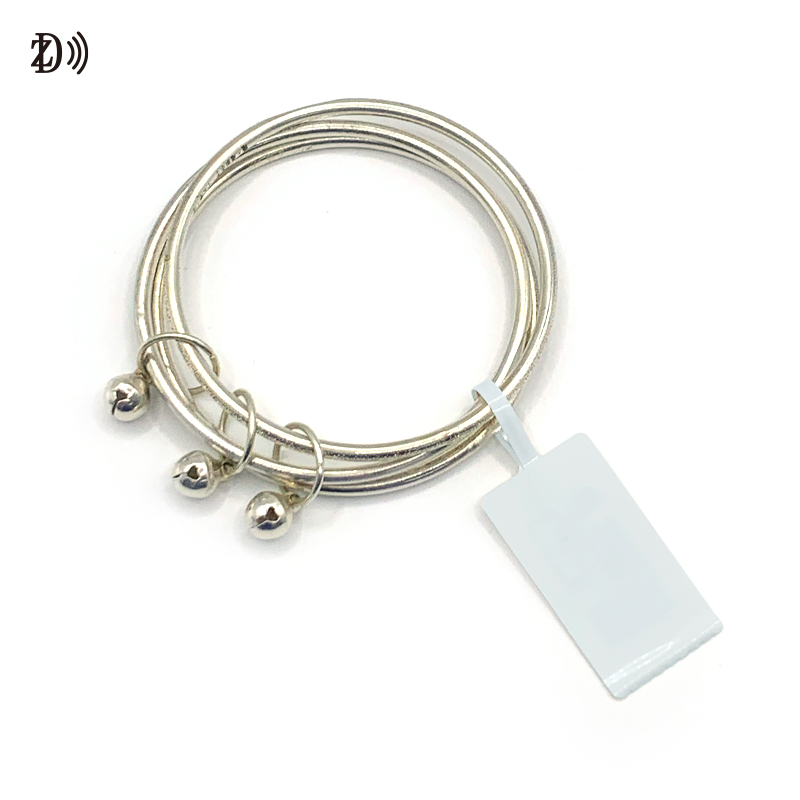
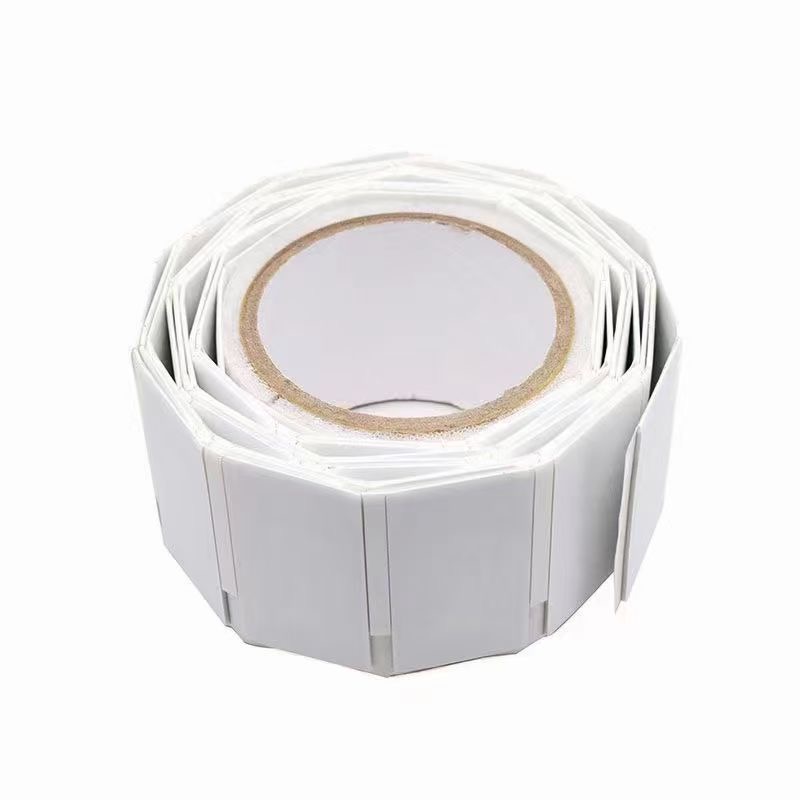
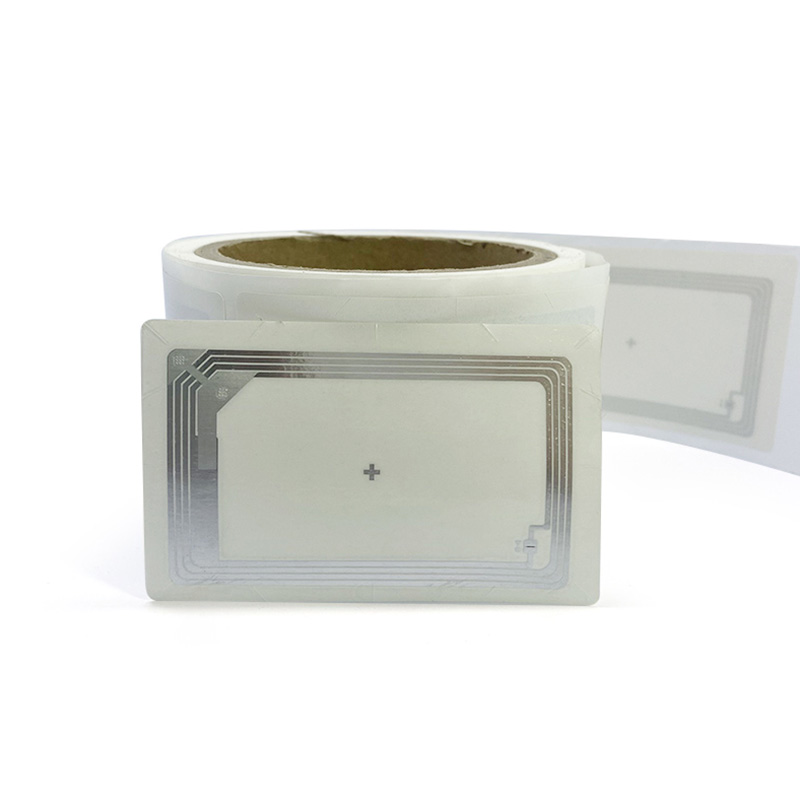
When selecting RFID labels, many buyers focus only on the chip or inlay. In reality, RFID performance depends on a combination of antenna design, surface material, adhesive, and application method.
For RFID smart packaging, the same label can perform very differently depending on where it is applied—whether on a corrugated box, plastic pouch, glass bottle, or foil packaging.
That’s why packaging material should always be your starting point when choosing RFID labels.
Before selecting a label, it’s important to evaluate real-world packaging conditions:
· What is the packaging material? (paper, plastic, glass, metal)
· Is the surface flat or curved?
· Does the product contain liquid or metal components?
· What read range is required? (UHF vs NFC)
· Will labels be applied manually or automatically?
· Are printing or branding elements required?
Answering these questions early helps avoid costly testing cycles later.
Paper packaging is the easiest and most stable environment for RFID.
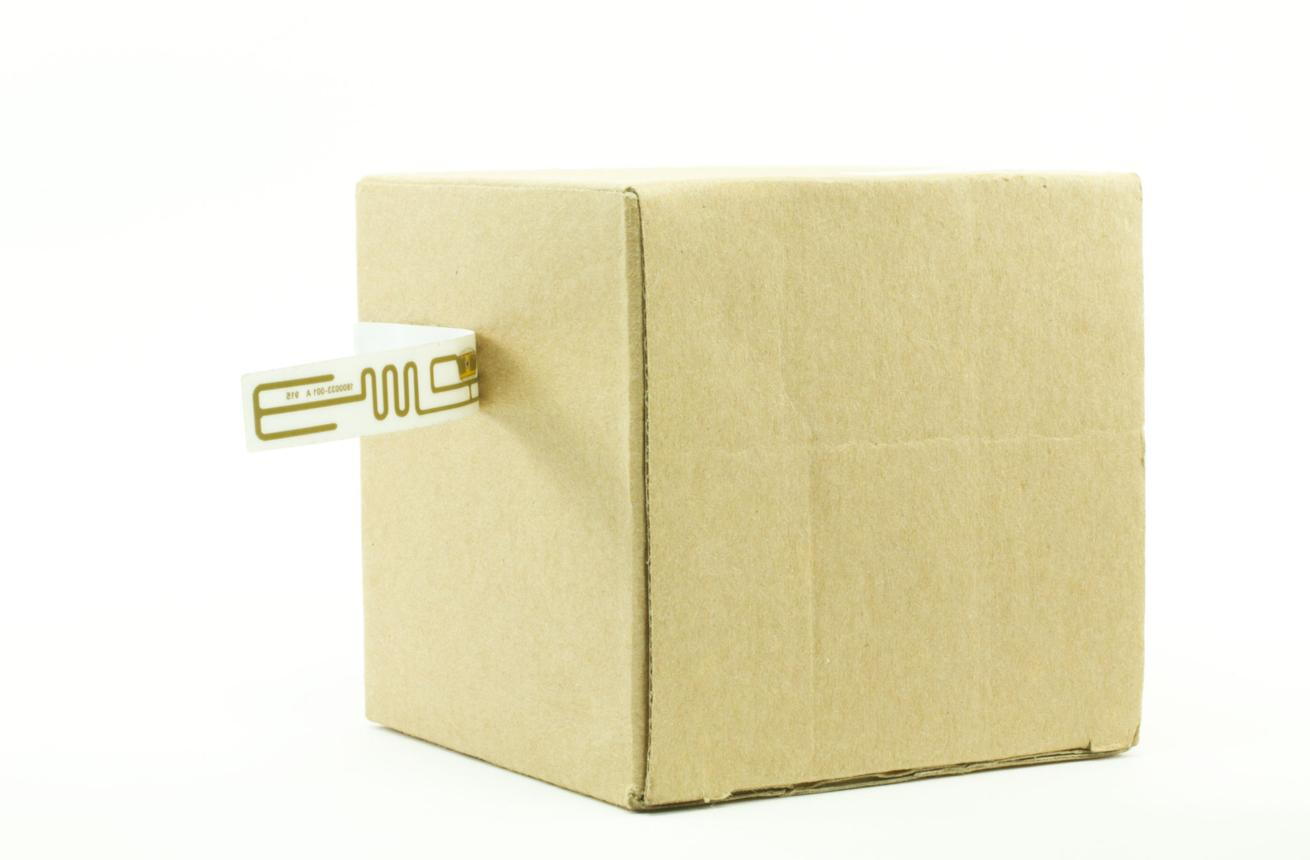
Best option: Standard UHF RFID paper labels
Common use cases:
· Retail cartons
· Shipping boxes
· Logistics packaging
Why it works:
Paper does not interfere with RF signals, allowing consistent read performance and easy large-scale deployment.
Plastic packaging introduces challenges such as curvature and adhesion.
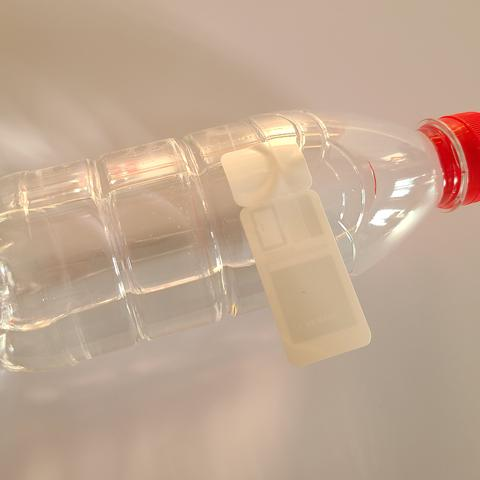

Best option: PET RFID labels with strong adhesive
Common use cases:
· Beverage bottles
· Cosmetic containers
· Flexible packaging
Why it works:
PET labels offer flexibility and durability, ensuring strong adhesion and reliable performance during transport.
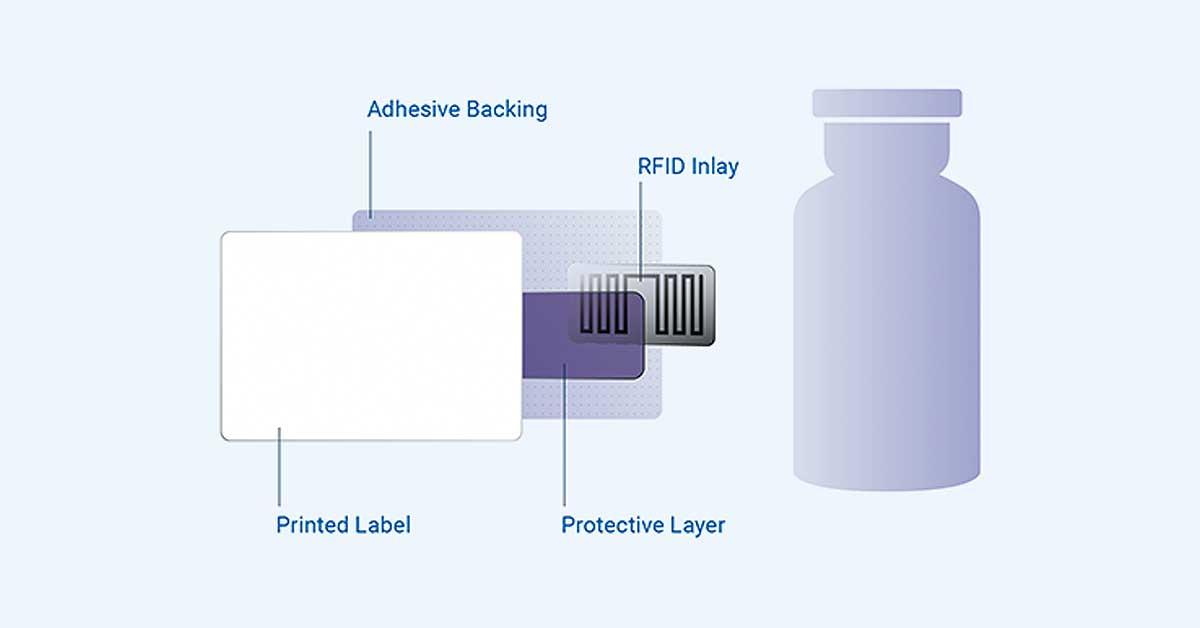
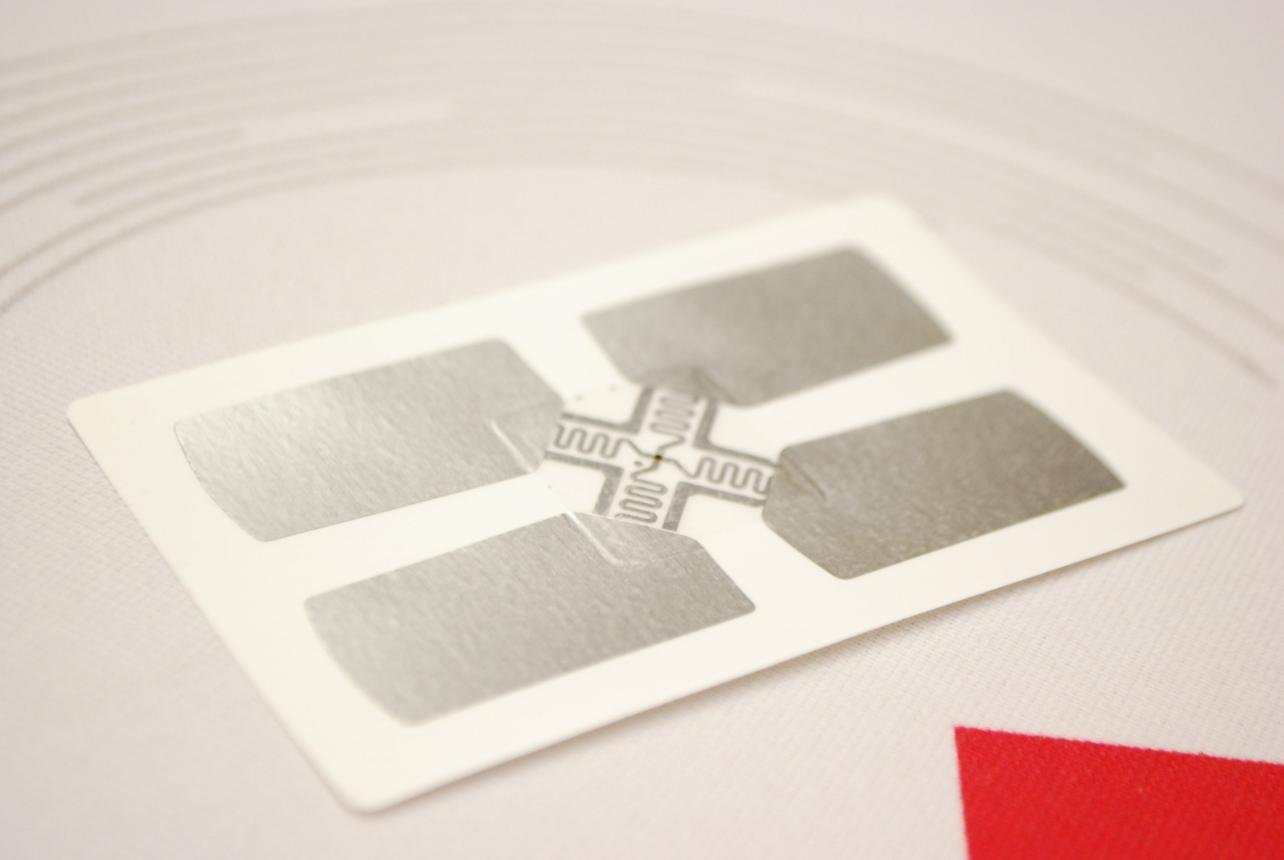
Liquids can absorb RF signals, making placement critical.
Best option: On-liquid RFID labels
Common use cases:
· Beverage bottles
· Sauces and food jars
· Cosmetic containers
Why it works:
Special antenna design and placement strategies improve readability even near liquid contents.
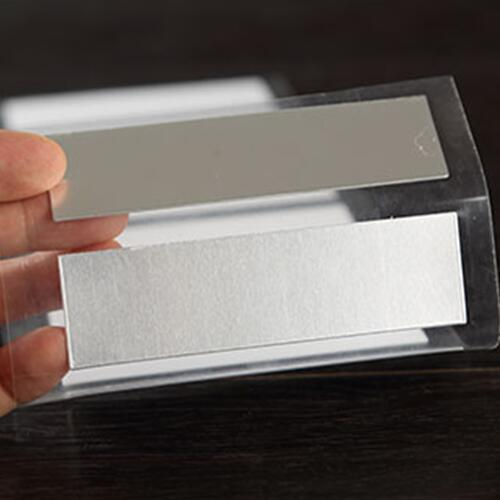
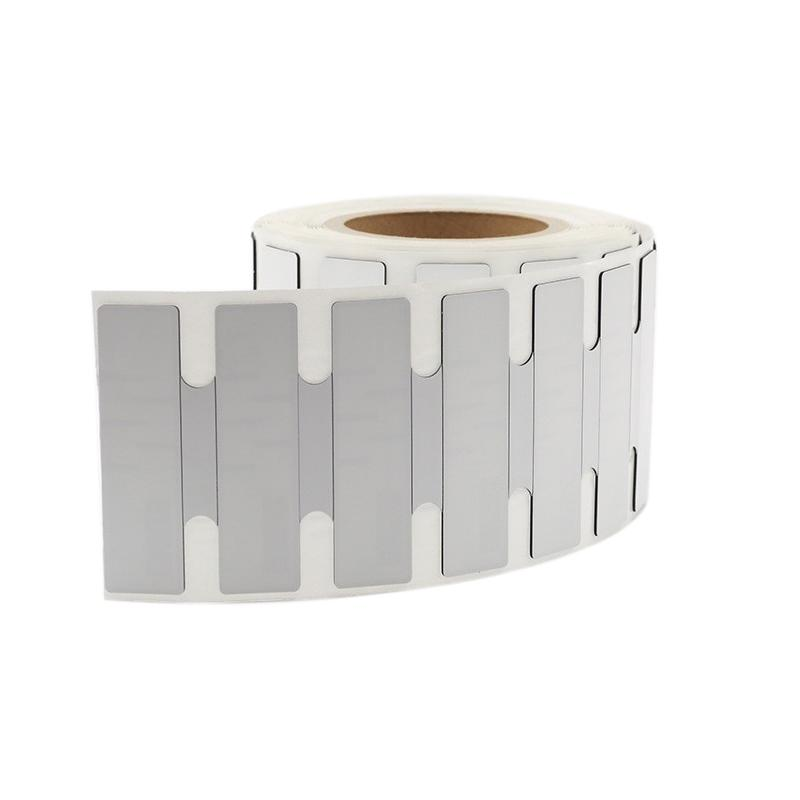
Metal surfaces are the most challenging for RFID.
Best option: On-metal RFID labels
Common use cases:
· Pharmaceutical packaging
· Electronics
· Specialty food packaging
Why it works:
These labels include insulating layers that prevent signal interference from conductive materials.
Packaging TypeRecommended RFID LabelKey Benefit
Paper / CartonPaper RFID labelStable and cost-effective
PlasticPET RFID labelFlexible and durable
Glass / LiquidOn-liquid RFID labelReliable near liquids
Metal / FoilOn-metal RFID labelWorks on conductive surfaces
If you use automated labeling, ensure label thickness, adhesive, and liner compatibility match your equipment.
RFID performance can change after:
· Filling
· Sealing
· Stacking
· Shipping
Always test labels on the final packaged product, not just empty containers.
· Inventory & logistics → UHF RFID
· Consumer interaction → NFC
· Advanced use cases → Hybrid solutions
Choosing the right technology ensures long-term scalability.
Chipotle Mexican Grill implemented RFID case labeling to improve supply chain visibility and ingredient traceability.
This shows that RFID packaging is not just for retail—it also delivers value in logistics, compliance, and operational efficiency.
Can one RFID label work on all packaging types?
No. Each material requires a different label design for optimal performance.
Should I choose UHF or NFC?
· UHF → Best for tracking and logistics
· NFC → Best for customer interaction and authentication
Do I need testing before deployment?
Yes. Real-world testing is essential to ensure performance after packaging and shipping.
What is the most common mistake?
Choosing labels based only on price instead of packaging compatibility.
Choosing RFID labels based on packaging material is the most effective way to ensure performance, reduce risk, and accelerate deployment.
When your RFID solution matches your packaging, you gain better reliability, smoother operations, and stronger ROI.
If you're planning an RFID packaging project, selecting the right label early can save time and cost.
Contact us to get tailored recommendations, sample testing, and custom RFID label solutions for your packaging needs.
Do you need a professional team to provide you with solutions? Contact us for a quote
Let us discuss it with you.


 Tel: +86-755-23080267
 Email: sales1@zd-technology.com
Add: A316,building A, Huayuan Technology And Innovation Park, Baoyuan Road
Copyright © 2024 Shenzhen ZD Technology Co., Ltd., All rights reserved.
Designed by