
An RFID chip bracelet combines a wearable wristband with an embedded RFID chip for contactless identification. For businesses planning an RFID wristband project, the right configuration depends on how the bracelet will be used and how it needs to work with the existing reader system.
This guide looks at the key points buyers should consider before ordering, including frequency, chip type, material, application, and system compatibility.
An RFID chip bracelet has an RFID chip and antenna built into the wristband. When the bracelet is brought close to a compatible RFID/NFC Reader, the chip communicates with the reader through radio frequency signals.
The reader receives the identification information stored in or associated with the chip and passes it to the connected system. Depending on the setup, this information can be used for access control, event management, identification, payment, or membership services.
For buyers comparing different bracelet formats, the RFID wristband range includes several materials and configurations for different applications.
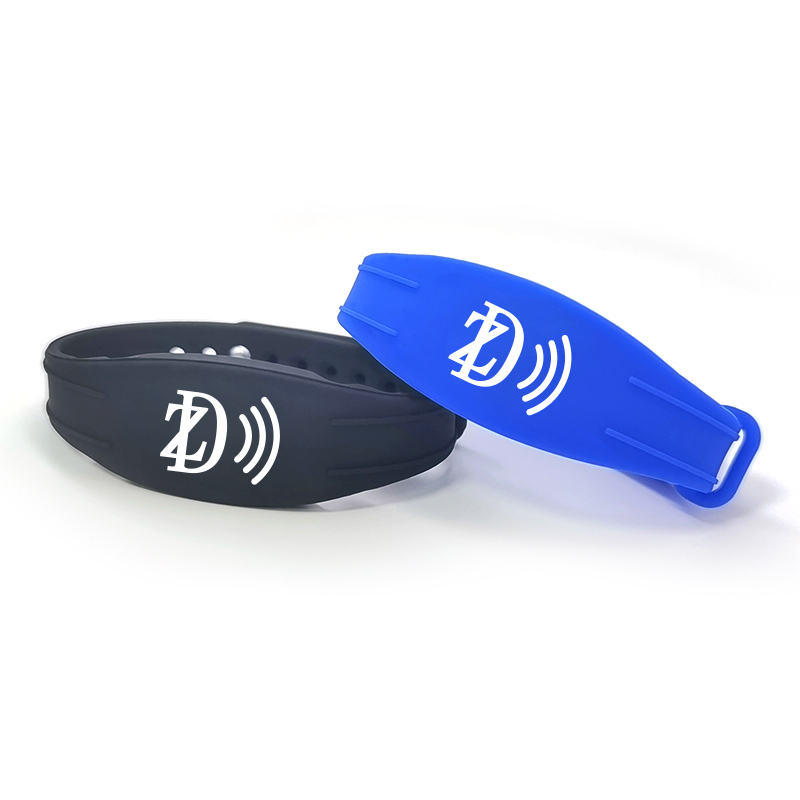
The bracelet is only one part of the system. The RFID/NFC Reader needs to recognize the chip, while the existing reader system determines how the identification information is used.
For example, the system may check access permissions, register an attendee, identify a member, or support a cashless transaction. This is why the chip should be selected together with the reader system rather than treated as a separate product decision.
125KHz RFID can be used for suitable identification and access control applications. If an existing reader system operates at 125KHz, the bracelet chip should use a compatible frequency and chip type.
Before production, buyers should confirm the reader requirements and make sure the selected bracelet can communicate with the system already in place.
13.56MHz RFID is used for a wide range of wristband applications, including access control, event management, identification, and cashless payment. NFC wristbands also use the 13.56MHz frequency range.
Depending on the product configuration, chip options can include MIFARE Classic® 1K/4K and NTAG®213, NTAG®215, and NTAG®216.
For example, the NFC bracelet option supports 125KHz and 13.56MHz configurations, with chip options including TK4100, EM4200, T5577, MIFARE Classic® 1K/4K, and NTAG®213/215/216. The product page also lists water parks, gyms, access control, and cashless payment among its applications.
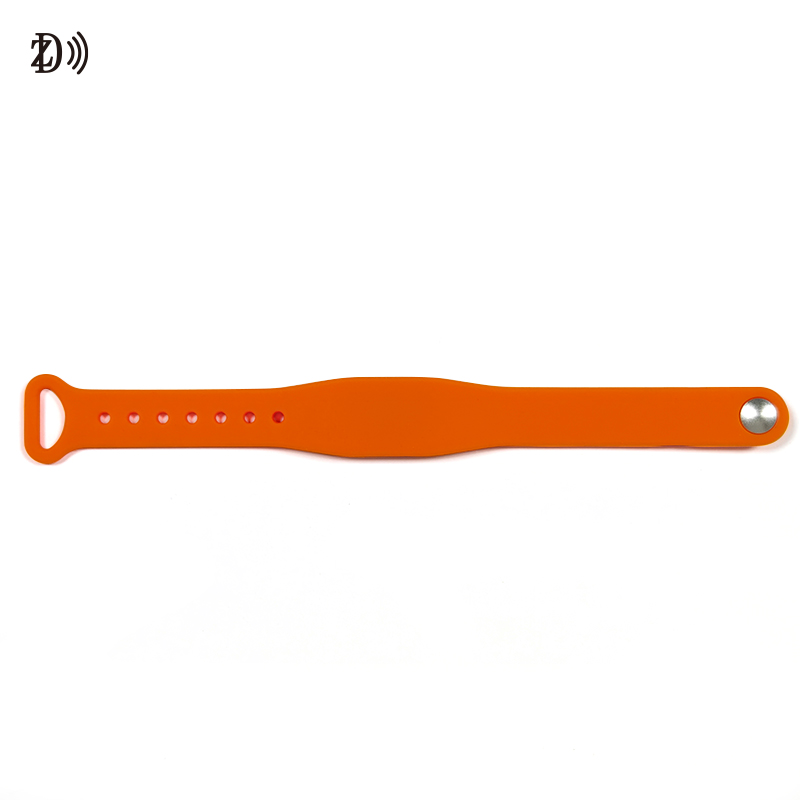
UHF wristbands can be used for applications that require UHF based identification or tracking. The suitable configuration depends on the reader system, operating environment, and required read performance.
For an existing UHF project, buyers should confirm the required frequency, chip, antenna configuration, and reader compatibility before production.
Silicone is a common choice for RFID wristbands because it is soft, flexible, and suitable for repeated wear. It can also work well in environments where the bracelet may come into contact with water or moisture.
The ZDRFID silicone wristband page describes the material as flexible and waterproof, with RFID chip and antenna options available across low frequency, high frequency, and ultra high frequency configurations.
For projects that need this type of material, the silicone RFID wristband range can be reviewed alongside the required chip and frequency.
Fabric RFID wristbands provide a softer and more breathable option. They can be suitable for events, sports competitions, access control, identification, and other applications where the wristband may be worn for longer periods.
ZDRFID's fabric wristbands use materials such as woven cloth and are available with high frequency or ultra high frequency chip configurations, depending on the product.
Tyvek and vinyl wristbands are options for temporary applications such as events, exhibitions, and conferences. They can be considered when the wristband is intended for limited use rather than repeated wear.
The choice should take into account the expected usage period, surrounding environment, required chip, and customization needs.
RFID chip bracelets can serve as wearable credentials at events, festivals, concerts, exhibitions, and similar activities.
Depending on the system, they can support attendee identification, entry management, ticketing, and cashless payment. The bracelet should be matched with the reader system used at the venue.
An RFID chip bracelet can also serve as a contactless credential for access control. When the bracelet is presented to a compatible RFID/NFC Reader, the system can identify the associated credential and check the relevant access information.
This approach can be used in hotels, offices, apartments, and other environments where wearable credentials are practical.
Water parks, gyms, resorts, and similar facilities can use RFID wristbands for access management and membership identification.
In these environments, the bracelet may be exposed to water, moisture, or frequent use. Silicone can therefore be a practical material choice, while the chip and frequency still need to match the reader system.
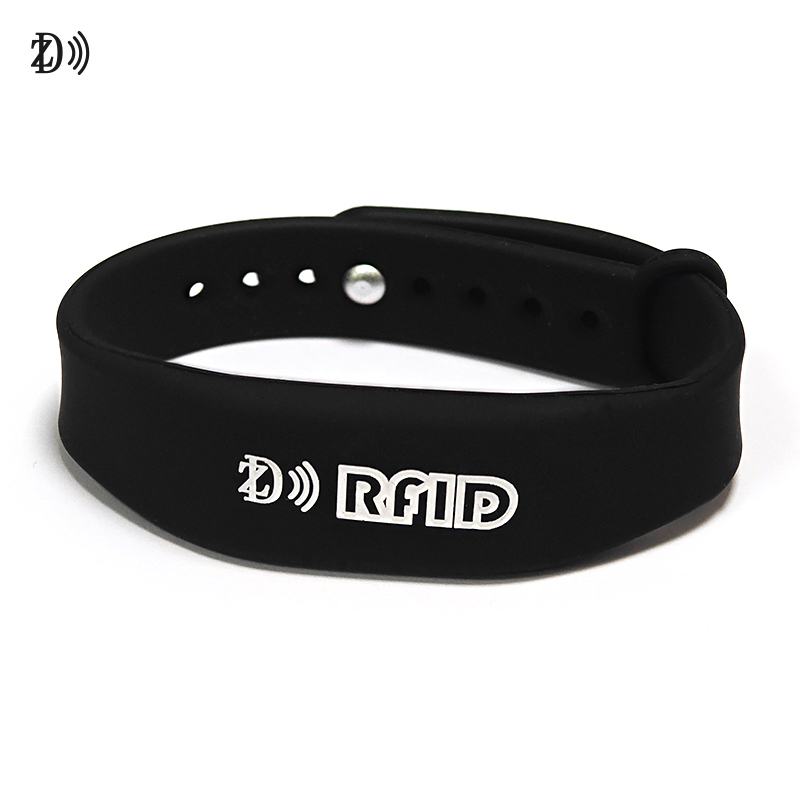
The first step is to confirm that the selected chip works with the RFID/NFC Reader and existing reader system. Buyers should check the required frequency, chip type, and communication requirements before production.
For an existing installation, providing the reader model and system requirements to the supplier can make this process much easier.
Once the technical requirements are clear, consider how the bracelet will be used.
Silicone is suitable when flexibility and water resistance are important. Fabric is a good option when a soft and breathable wristband is preferred. Tyvek and vinyl can be considered when the bracelet is intended for temporary use.
The final step is to confirm the product details before production. Depending on the bracelet, customization may include color, logo printing, size, and encoding.
It is also worth testing the actual bracelet with the RFID/NFC Reader and existing reader system before approving a larger order. This can confirm that the chip is recognized correctly and that the complete setup works as expected.
An RFID chip bracelet is a wearable wristband with an embedded RFID chip. It uses radio frequency communication to support contactless identification and related functions.
The available chip depends on the bracelet configuration. Options can include TK4100, EM4200, T5577, MIFARE Classic® 1K/4K, and NTAG®213/215/216. The right choice depends on the required frequency and compatibility with the existing reader system.
The right material depends on the application. Silicone works well when flexibility and water resistance are important. Fabric provides a soft and breathable option, while Tyvek and vinyl can be suitable for temporary applications.
Choosing an RFID chip bracelet comes down to matching the chip, frequency, material, and reader system with the actual application. Testing the complete setup before production can also help confirm compatibility.
For product selection, customization, or project requirements, contact ZDRFID team to discuss a suitable RFID wristband configuration.
Do you need a professional team to provide you with solutions? Contact us for a quote
Let us discuss it with you.


 Tel: +86-755-23080267
 Email: sales1@zd-technology.com

Add: A316,building A, Huayuan Technology And Innovation Park, Baoyuan Road
Copyright © 2024 Shenzhen ZD Technology Co., Ltd., All rights reserved.
Designed by 

