
Efficient asset management is crucial for laboratories, where precise equipment tracking is necessary for smooth operations, productivity, and safety. Yet, despite technological advancements, many laboratories continue to rely on traditional methods such as spreadsheets, manual records, and barcode systems. These outdated methods are prone to errors, inefficiencies, and wasted time. With laboratories constantly evolving, the need for more intelligent and efficient solutions is undeniable. RFID (Radio Frequency Identification) technology is revolutionizing lab equipment tracking, offering an advanced, real-time solution to streamline asset management.
Laboratories, especially those involved in complex research, have an extensive inventory of high-value equipment. Despite technological improvements, many labs still face several challenges when it comes to managing their assets effectively.
Manual tracking systems are often prone to human errors. Whether it’s incorrectly entering data, forgetting to update the status of equipment, or misplacing items during an audit, these mistakes can lead to discrepancies in the inventory system. This becomes especially problematic in labs where equipment is frequently shared across departments, causing confusion and inefficiencies in managing the inventory.
Another issue many labs encounter is the time-consuming search for misplaced or unaccounted-for equipment. With hundreds or even thousands of pieces of equipment, finding a specific item can be an exhaustive task. This lost time not only delays experiments but also leads to increased workloads for lab staff, ultimately impacting productivity and research output.
Without real-time tracking, lab managers struggle to assess the usage of equipment, its location, or its availability for new projects. This lack of visibility can lead to underutilization, unnecessary equipment purchases, or even missed maintenance schedules. Consequently, labs may face unexpected downtime or costly repairs due to lack of preventive maintenance.
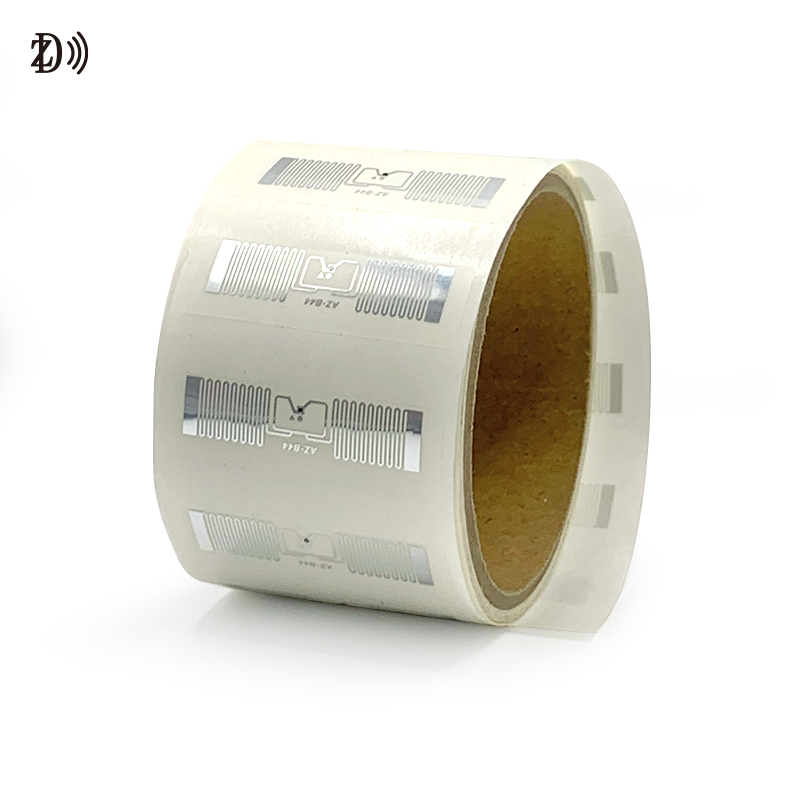
RFID technology offers a sophisticated, automated solution for equipment tracking and asset management in laboratories. With RFID, lab managers can monitor and manage assets in real time, drastically reducing errors, downtime, and inefficiencies.
RFID provides real-time tracking of both fixed and mobile assets. Unlike barcode systems, RFID does not require line-of-sight scanning, making it an ideal solution for cluttered or large environments like laboratories. With RFID tags placed on equipment, lab managers can automatically track the movement, usage, and status of items, ensuring they always know where their assets are located and when they are being used.
Inventory audits, which once required days or weeks to complete manually, can now be performed quickly and efficiently using RFID systems. RFID technology enables lab staff to scan multiple items simultaneously and update the inventory automatically. This eliminates the need for lengthy checks and reduces errors associated with manual record-keeping, providing accurate, real-time inventory data.
RFID helps improve equipment allocation by providing detailed insights into which assets are in use, available, or in need of maintenance. Lab managers can quickly assess the condition and availability of equipment, which leads to better scheduling and resource management. Additionally, RFID technology helps reduce unnecessary equipment purchases, as managers gain a clear understanding of existing asset utilization and maintenance needs.
Implementing RFID technology in laboratory environments offers numerous advantages, from increasing operational efficiency to improving equipment security.
By automating tracking and inventory management, RFID technology reduces the manual effort required to monitor assets. This not only saves time but also ensures that lab staff can focus on more critical tasks, such as conducting experiments or research. Overall, RFID systems streamline operations and minimize the burden of managing large inventories.
RFID systems can help prevent equipment loss by providing real-time tracking data and sending alerts when assets are moved without authorization. The increased security of RFID systems reduces the risk of theft and misplacement, ensuring lab equipment remains safe and accounted for.
RFID technology facilitates predictive maintenance by tracking the usage and condition of laboratory equipment. By analyzing this data, lab managers can schedule maintenance before equipment breaks down, reducing unexpected downtime and costly repairs. Additionally, RFID ensures that equipment is always in optimal working condition, increasing the overall lifespan of assets.
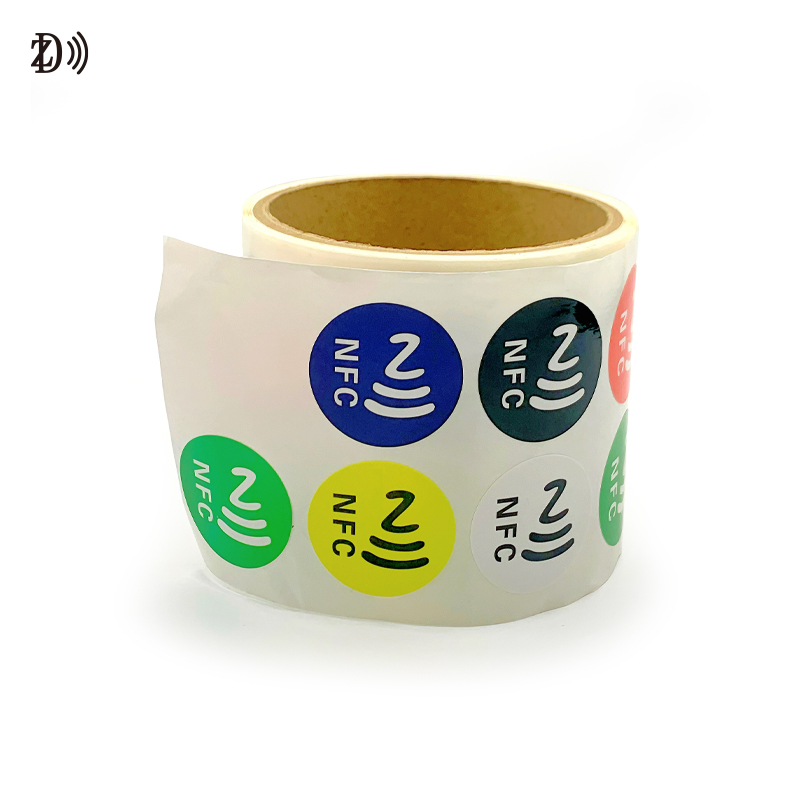
To get the most out of RFID systems, laboratories should follow best practices during implementation. These practices ensure optimal performance and maximize the benefits of the technology.
Choose the Right RFID Tags: Select RFID tags that are compatible with the lab environment. Consider factors such as size, durability, and the potential for interference from other equipment.
Integrate with Existing Systems: Ensure that the RFID system integrates with existing asset management software and laboratory processes. This integration allows seamless data flow and simplifies the management of assets.
Place RFID Readers Strategically: RFID readers should be placed in key areas of the lab to ensure full coverage and to avoid blind spots where equipment may not be tracked.
Train Staff: Proper training is essential to ensure staff members are comfortable with the RFID system. Regular training ensures that everyone knows how to use the system effectively, reducing operational errors.
RFID technology is transforming the way laboratories manage and track their equipment. By addressing common challenges like human errors, misplaced equipment, and lack of visibility, RFID systems help labs streamline operations and improve overall efficiency. The ability to track assets in real time, perform quick audits, and allocate resources effectively enhances lab productivity, reduces costs, and ensures smoother operations. As labs continue to evolve, RFID technology will be a key enabler of efficient, secure, and cost-effective equipment management.
ZD Technology offers advanced RFID solutions that cater to the unique needs of laboratories. Our systems help streamline asset management, improve operational efficiency, and ensure the security of your valuable equipment. Contact us today to learn how RFID technology can optimize your laboratory’s asset management processes.
Do you need a professional team to provide you with solutions? Contact us for a quote
Let us discuss it with you.


 Tel: +86-755-23080267
 Email: sales1@zd-technology.com
Add: A316,building A, Huayuan Technology And Innovation Park, Baoyuan Road
Copyright © 2024 Shenzhen ZD Technology Co., Ltd., All rights reserved.
Designed by 

